
Organization Of Life The Organism At Work The Organism And Its Environment
आपको ये भी पसंद आ सकते हैं
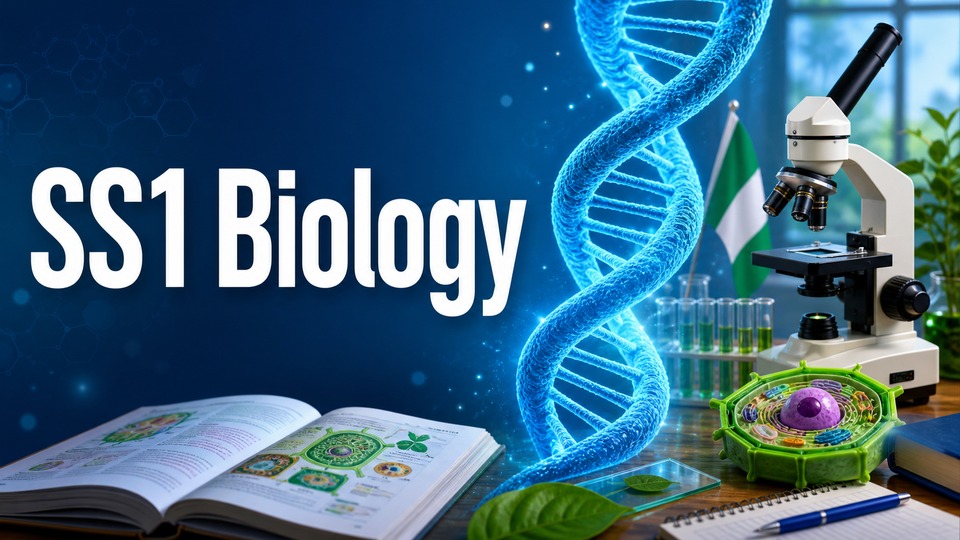
SS1 Biology
Primary 6 Science & Technology
SS 3 Business & Finance
Full Episodes of Akili and Me
SS 1 Biology
SSS10 Biology
SSS12 Biology
SSS 1 Biology
SS 3 Biology
SS 2 Biology
KS3 Biology
Biology
9th Class Biology Chapter 4 Cell and Tissues
10th Class Biology Chapter 14 - Class 10 Biology Chapter 5 Reproduction - Biology Class 10 Chapter 14
دروس علوم الطبيعة و الحياة للسنة 3 ثانوي بكالوريا
Respiration
Réviser le DNB
Amazing Animal Facts 🐰 Fun Videos Starting with Bunny Rabbits!
جهويات 2023
CoComelon - Happy Holidays
SS2 Biology
2023 JAMB Biology Past Questions
Sex Ed
Animal Videos
टिप्पणियाँ
10 टिप्पणियाँ
At the end of the lesson, the student should be able to understand Relationship Between Soil Type And Water Holding Effects
At the end of the lesson, the student should be able to understand Relationship Between Soil Type And Water Holding Effects
Name components of any ecosystem. Measure or estimate sizes of some ecosystems. Relate the dynamic nature of an ecosystem to its size. Mention major local (Nigerian) biotic communities. Give names of organisms typical of each community. Briefly describe different types of communities in (a) tropical regions (b) temperate regions. Name ecological factors common to all habitats. Briefly describe each of the factors pointing out 'their relative importance. Mention the factors which affect water-retentivity of soil, types and determine the amount of water each soil type can hold.
Name components of any ecosystem. Measure or estimate sizes of some ecosystems. Relate the dynamic nature of an ecosystem to its size. Mention major local (Nigerian) biotic communities. Give names of organisms typical of each community. Briefly describe different types of communities in (a) tropical regions (b) temperate regions. Name ecological factors common to all habitats. Briefly describe each of the factors pointing out 'their relative importance. Mention the factors which affect water-retentivity of soil, types and determine the amount of water each soil type can hold.
Name components of any ecosystem. Measure or estimate sizes of some ecosystems. Relate the dynamic nature of an ecosystem to its size. Mention major local (Nigerian) biotic communities. Give names of organisms typical of each community. Briefly describe different types of communities in (a) tropical regions (b) temperate regions. Name ecological factors common to all habitats. Briefly describe each of the factors pointing out 'their relative importance. Mention the factors which affect water-retentivity of soil, types and determine the amount of water each soil type can hold.
Name components of any ecosystem. Measure or estimate sizes of some ecosystems. Relate the dynamic nature of an ecosystem to its size. Mention major local (Nigerian) biotic communities. Give names of organisms typical of each community. Briefly describe different types of communities in (a) tropical regions (b) temperate regions. Name ecological factors common to all habitats. Briefly describe each of the factors pointing out 'their relative importance. Mention the factors which affect water-retentivity of soil, types and determine the amount of water each soil type can hold.
Describe reproduction in: (i) Amoeba. (ii) Paramecium, (iii) Spirogyra. Describe reproduction in: (i) Earthworm. (ii) Cockroach. (iii) Housefly. (iv) Snail. Differentiate between complete and incomplete metamorphosis.
Describe reproduction in: (i) Amoeba. (ii) Paramecium, (iii) Spirogyra. Describe reproduction in: (i) Earthworm. (ii) Cockroach. (iii) Housefly. (iv) Snail. Differentiate between complete and incomplete metamorphosis.
Describe reproduction in: (i) Amoeba. (ii) Paramecium, (iii) Spirogyra. Describe reproduction in: (i) Earthworm. (ii) Cockroach. (iii) Housefly. (iv) Snail. Differentiate between complete and incomplete metamorphosis.
Describe reproduction in: (i) Amoeba. (ii) Paramecium, (iii) Spirogyra. Describe reproduction in: (i) Earthworm. (ii) Cockroach. (iii) Housefly. (iv) Snail. Differentiate between complete and incomplete metamorphosis.