
Unit 1: Phonics Unit 2: Topics Unit 3: Grammar Unit 4: Everyday language
Maaari Mo Ring Magustuhan
SS 1 Biology
SS 2 Physics
Learn English With Disney Movies
SS 2 Mathematics
Year7 German
Year 7 German
Year9 German
Year 10 German
Bengali Kids Cartoon Videos
Introduction to Software Engineering
ChuChu & Friends in Storytime Adventures - ChuChu TV
Introduction to Artificial Intelligence (AI)
Kids Songs by CoComelon
CoComelon
Alphabet (ABC) Songs by CoComelon
CocoMelon | Little Baby Bum | Blippi - Nursery Rhymes & Kids TV Shows
Year8 German
KS4 German
SS 2 Biology
Primary 2 Mathematics
English Fairy Tales @EnglishFairyTales
JS 1 Business & Finance
SS 1 English
PrePrimary English
Mga Komento
10 Mga Komento
The perfect tense in German means to have done something. To form it you use 'the person + haben + past participle'.
When conjugating regular verbs in German, the person doing the verb needs to match up with the verb ending.
Discover how to conjugate the verb 'To have' in German, in the present, past and future tenses.
An explanation of how to conjugate the verb 'To be' in German, in the present, past and future tenses.
Learn about the importance of sentence structure in German. The verb must usually be the second item in a sentence, and the subject and verb must always stay together.
Learn how to make use of adjectives and conjunctions in German, making sentences more interesting.
An explanation of question words and the order of sentences when asking questions in German, plus a disucssion on the proper uses of 'Sie' and 'Du'.
Explaining how to conjugate the verb 'to like' in German, and how adding descriptors to the verb can add to its meaning.
Learn about the three genders (feminine, masculine and neuter) in German.
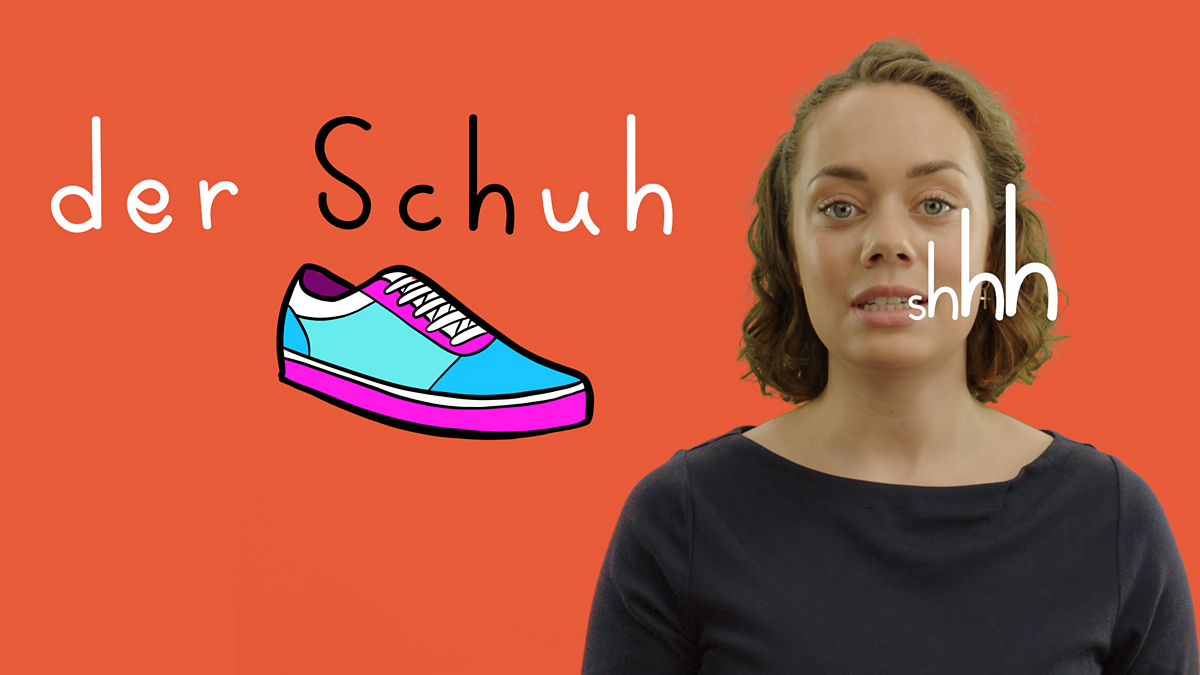
Learn about some differences in the pronunciation of words between German and English.